

Measurement of Farmworker OP Exposure through Protein Adducts
Improving PPE Effectiveness in Agricultural Applications
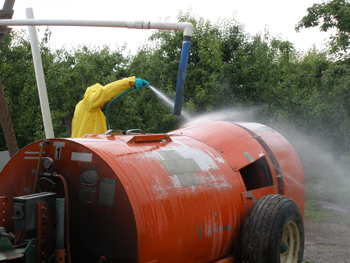
This project responds to specified PPE needs for the tree fruit and related industries in Washington State that can reduce pesticide handler exposure and potential pesticide-related illness. Three safety concerns of WA airblast pesticide applicators were addressed: 1) data-driven respirator cartridge change-out schedule, 2) field efficacy of gloves used by pesticide handlers, 3) the effectiveness of a PPE hat that could be used with PPE suits and jackets.
Pesticides and Health
 What is pesticide exposure?
Pesticides are substances designed to prevent, destroy, repel or mitigate pests. As of 2012, approximately 899 million pounds of conventional pesticides (e.g.
GRAS2P Food Safety Video
This video project integrates current pesticide safety standards into the video, Fieldworker Orientation and Food Safety/Orientation/Orientation para el Trabajador Agricola y Seguridad Alimenticia. The video is bilingual and will be used by growers and workers in Washington and across the United States to ensure effective food safety practices.
Pesticide Safety in Tree Fruit: Translating Research, Overcoming Barriers
This project worked toward minimizing agricultural worker and family pesticide exposure in the tree fruit industry by translating and disseminating research results and overcoming barriers to pesticide safety practices, particularly those that affect the large Hispanic workforce in the Pacific Northwest.
Pesticide Exposure Pathways in Agricultural Communities
This sub-project was housed under another program, The Center for Child Environmental Health Risks Research, which worked to understand the mechanisms that define children’s susceptibility to pesticides. Center researchers, including some that also worked at PNASH led field studies with a farmworker community to bring a unique and successful approach to the study of children’s environmental health. This center was funded by the US Environmental Protection Agency (EPA) and NIEHS.