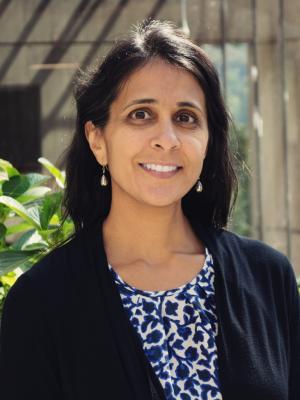
Anjum Hajat, PhD, MPH
About
Dr. Hajat is an associate professor of epidemiology and a social and environmental epidemiologist. Her research examines how stressors in the social and physical environment disproportionately impact the health of disadvantaged populations. She has an interest in applying causal inference methods to her research and works to engage communities to answer questions that are most important to them. She is a faculty affiliate at the Center for Studies on Demography and Ecology, the West Coast Poverty Center, the Center for Exposures, Diseases, Genomics, and Environment, and the Harry Bridges Center for Labor Studies. Prior to academia she worked in public health practice for several years.
Education
- PhD, University of North Carolina
- MPH, University of Michigan
Affiliations
Mentorship
DEOHS Students Mentored
Employment quality, health and health inequities in the modern U.S. economy
Trevor Peckham | PhD | 2020 | View
Research
Dr. Hajat’s current environment health research focuses on environmental health disparities and environmental justice and include an intervention study to examine the effectiveness of low-cost box fans and filters in improving indoor air and reducing asthma symptoms among children. Using community based participatory research methods, this study partners with community organizations in the Duwamish Valley to empower local communities towards action.
Dr. Hajat is also interested in other environmental factors such as greenspace and focuses primarily on chronic conditions over the life course. In addition, she has a line of research that examines the health impacts of precarious employment. Her team has produced much of the US-based evidence showing that poor quality employment is detrimental to worker’s health.
Lastly, she is interested in biomarkers that are impacted by social and environmental stressors; this line of research aims to gain a better understanding of the mechanisms by which social stressors cause disease.
Publications
SEE PUBLICATIONS LISTEngagement
Community and research partnerships
Community partners for the Duwamish Air Improvement for Youth Study (DAISY) include Duwamish River Community Coalition and Just Health Action.