
Mission
Increase awareness of lead exposure and build a foundation for sustained efforts to reduce pediatric lead exposure; adapt experience gained in the U.S. to create a child blood lead level screening and "healthy home" lead prevention program for a Sub-Saharan African city context.
About us
Pediatric lead poisoning is a major global health concern. The vast majority of affected children live in low- and middle-income countries, where programs to identify children at-risk of lead exposure and intervene are lacking. LEIP (Healthy Cities for Healthy Brains: Implementation of a Lead Exposure Intervention Program in Nairobi) conducts research in Nairobi, Kenya with the goal of developing a foundational lead exposure screening and follow-up program. LEIP adapts testing and messaging for a Sub-Saharan African context and evaluates their effectiveness in an urban setting. The work is informed by US- and Kenyan-based experts collaborating to implement the program in routine childcare and provide insight to inform success in future iterations in other countries.
LEIP is funded by the National Institute of Environmental Health Sciences (NIEHS): R01ES036010.
Research Aims and Approach
Research Aims
The overarching objectives of this project are to:
- Adapt and pilot a child lead exposure risk survey and messaging protocol for the urban Sub-Saharan Africa context
- Evaluate two implementation strategies that both start with providing a child blood lead test and immediate result
- Lead risk reduction messages delivered immediately to parents in the clinic
- Immediate risk reduction messages in the clinic AND a follow-up home visit that includes an observational checklist of risk factors and tailored risk messaging
- Evaluate barriers to lead intervention at individual and structural levels
Approach
Pilot: LEIP will begin with a pilot project using an existing cohort of Nairobi parents and their young children. Children coming to the study clinic for an appointment will be offered enrollment in the project and their blood lead level (BLL) will be tested and their caregiver will complete a lead risk survey. All caregivers will receive basic lead risk reduction messaging reflecting the survey responses. If the child has a low BLL (<5ug/dL), they will be exited from the project. If they have a higher BLL (≥5 ug/dL, within a month, they will receive a home visit from research staff. Staff will do household lead testing and provide tailored messages to the caregiver(s) about lead risk and mitigation based on observations made at the home. Caregivers will participate in an in-depth interview to collect information about the understandability and acceptability of the lead risk survey and mitigation messages. Six months later, researchers will collect another BLL from the child, and caregivers will complete a survey asking about their recall of the messages from the previous home visit and any behavior changes they have made related to lead risk mitigation.
Randomized control trial: After the research materials are refined using lessons learned from the pilot experience, researchers will conduct a randomized controlled trial. They will recruit parent-child pairs with children between 12-72 months of age who are coming to a Nairobi clinic to receive routine well-child care. At enrollment, the child will receive a blood lead level test. All caregivers will be interviewed using a brief risk factor survey on potential lead exposure risks. For children with BLL < 5 ug/dL, the result will be provided to the caregiver, along with post-test messaging on reducing lead exposure. Children with a low BLL will then be exited from the study. Children with BLLs ≥5 ug/d will be eligible for the trial \ Our goal is to enroll 100 children with BLL ≥5 ug/dL; we anticipate screening up to 1,500 children to attain this.
Caregivers of children with BLL ≥5 ug/dL will be randomized into two groups. One group will receive only the in-clinic messages and the second group will receive those messages and also receive a home visit within two weeks of the initial clinic visit. At the home, researchers will complete a home observation checklist to identify and discuss features of the home environment that might influence lead exposure and reinforcement of messaging on exposure reduction based on the home observations.
Both groups of randomized caregiver-child pairs will receive 3- and 9-month follow-up visits and BLL re-checks. Caregivers will complete standardized questionnaires to assess their recall of risk factors identified at the initial clinic visit and their uptake and implementation of exposure risk reduction recommendations. A subset of participants will be recruited to participate in semi-structured interviews to evaluate participants’ levels of understanding and acceptability of the survey. Interviews will be administered in the language of the caregiver’s choice. We want to evaluate whether the in-home visit is a necessary part of lead risk reduction efforts in Sub-Saharan Africa or if a more sustainable and affordable in-clinic message is sufficient.
Innovations
- LEIP is the first program to implement community-wide lead surveillance within routine care at health clinics in Sub-Saharan Africa.
- This will be the first study in a low/middle income country of child screening and follow-up for lead exposure using an implementation science framework.
- To strengthen training on lead exposure in medical and public health education in Kenya and low/middle income countries more broadly, this project is embedded within an academic partnership linking pediatric and environmental health specialists connected to training programs at the University of Nairobi.
Publications
Onoh, I., Mugo, C., Riederer, A., Maleche-Obimbo, E., Were, F. H., Loftus, C., Mukumbang, F., Lumumba, E., Richardson, B., Edemba, P. W., Mutai, B. C., Karr, C., & Benki-Nugent, S. (2026). Adapting, piloting, and evaluating a pediatric lead screening and risk-reduction intervention in Nairobi: A hybrid implementation-effectiveness trial protocol. PloS one, 21(6), e0349153.
Our Team
Principal Investigators
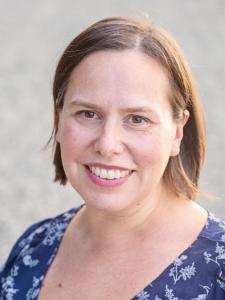
Sarah Benki-Nugent
MPI, Associate Professor, University of Washington, Departments of Global Health and Medicine
Dr. Nugent leads study implementation and guides regulatory aspects of the project. She leads multiple projects on the impacts of environmental and infectious exposures on neurodevelopmental outcomes in children. She has years of experience working on pediatric clinical trials and clinical cohort implementation in Kenya.

Catherine Karr
MPI, Professor, University of Washington, Department of Pediatrics and Department of Environmental and Occupational Health Sciences
Dr. Karr leads the development of lead protocols for LEIP. She’s a global leader in pediatric environmental public health and medicine. She directs multiple UW centers on environmental health and serves as Steering Committee Chair for the U.S Pediatric Environmental Health Specialty Unit program. She has led pediatric environmental health capacity building in Vietnam.
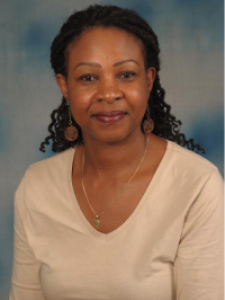
Elizabeth Maleche-Obimbo
MPI, Professor, University of Nairobi, Pediatrics and Respiratory Medicine
Dr. Obimbo provides leadership in pediatrics, epidemiologic study design, and connection of the project with health system leadership in Kenya. She is a technical advisor for the Kenya Ministry of Health and WHO and a leader in medical training, curriculum design, and mentorship at University of Nairobi.
Co-Investigators
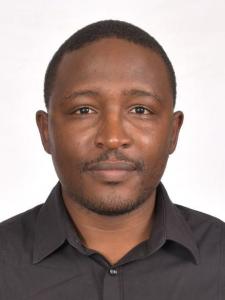
Cyrus Mugo
Co-I, Senior Research Scientist, Kenyatta National Hospital
Dr. Mugo has a decade of experience designing and managing research projects including clinical trials and implementation science projects for pediatric, adolescent, and adult HIV prevention, testing, treatment and treatment support; infectious disease surveillance; and other observational studies in Kenya, Nigeria, and the United States.

Ferdinand Mukumbang
Co-I, Assistant Professor, University of Washington Department of Global Health
Dr. Mukumbang specializes in health policy and systems research with a specific focus on implementation sciences. His current research interests are on developing and implementing antiretroviral treatment protocols for transitioning adolescents living with HIV from pediatric/adolescent HIV care to adult HIV care and on addressing issues of health inequities in global health.
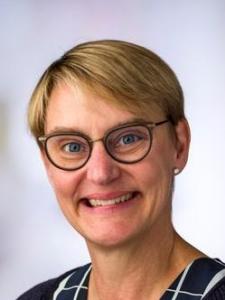
Barbra Richardson
Co-I, Research Professor, Department of Biostatistics and Adjunct Research Professor , University of Washington Department of Global Health
Dr. Richardson has deep experience in statistical analysis of clinical trials in sub-Saharan Africa and is an author on over 250 peer-reviewed articles in the areas of HIV/AIDS, other sexually transmitted diseases, and statistical methodology.
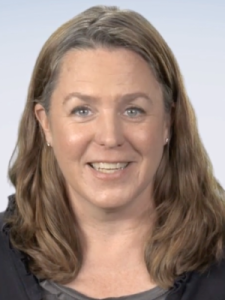
Anne Riederer
Co-I, Clinical Associate Professor, University of Washington Department of Environmental and Occupational Health Sciences
Dr. Riederer is an environmental health scientist focused on assessing exposures of young children and pregnant women to heavy metals, pesticides, and other environmental neurotoxicants.
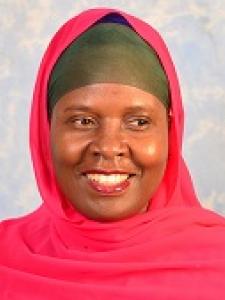
Faridah Were
Co-I, Senior Lecturer, University of Nairobi Department of Chemistry
Dr. Were is a senior research scientist with a strong background of research focused on the assessment of environmental and occupational exposures mainly heavy metals (lead, cadmium, nickel, and chromium) and inhalable particulate matter (PM10 and PM2.5) in different media such as human nails, hair, blood, urine, air, house dust and soils, and related adverse health effects.
Contact us
LEIP
University of Washington
Department of Environmental and Occupational Health Sciences
Box 354695
Seattle, WA 98195-7234
206-221-5932
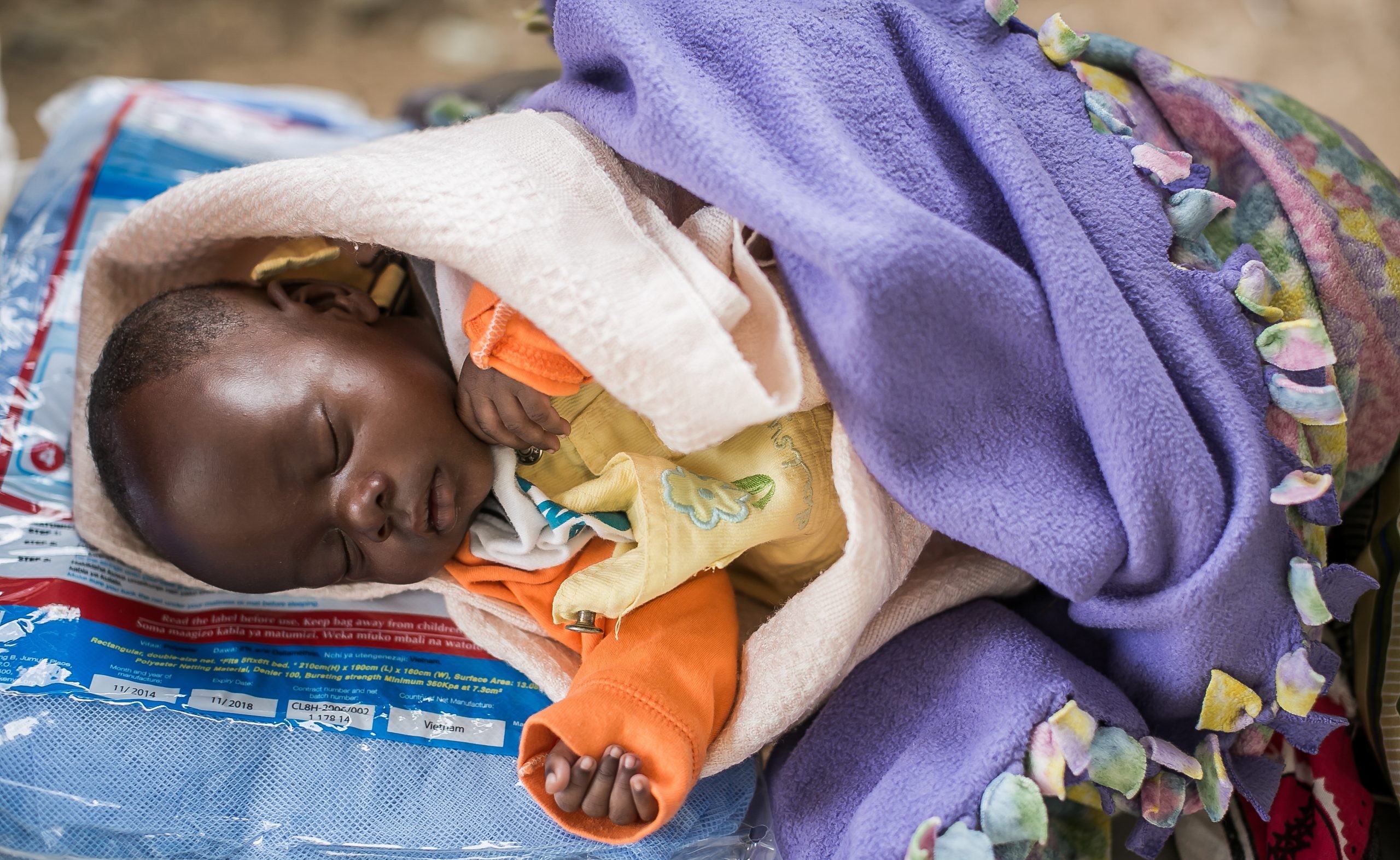
All photos courtesy of Paul J. Brown Photography.
The subjects in these images gave consent to Paul J. Brown Photography to photograph them for non-commercial use. The images used in this publication are for illustrative purposes only; they do not imply any particular health status, attitudes, behaviors, or actions on the part of any person who appears in the photographs.