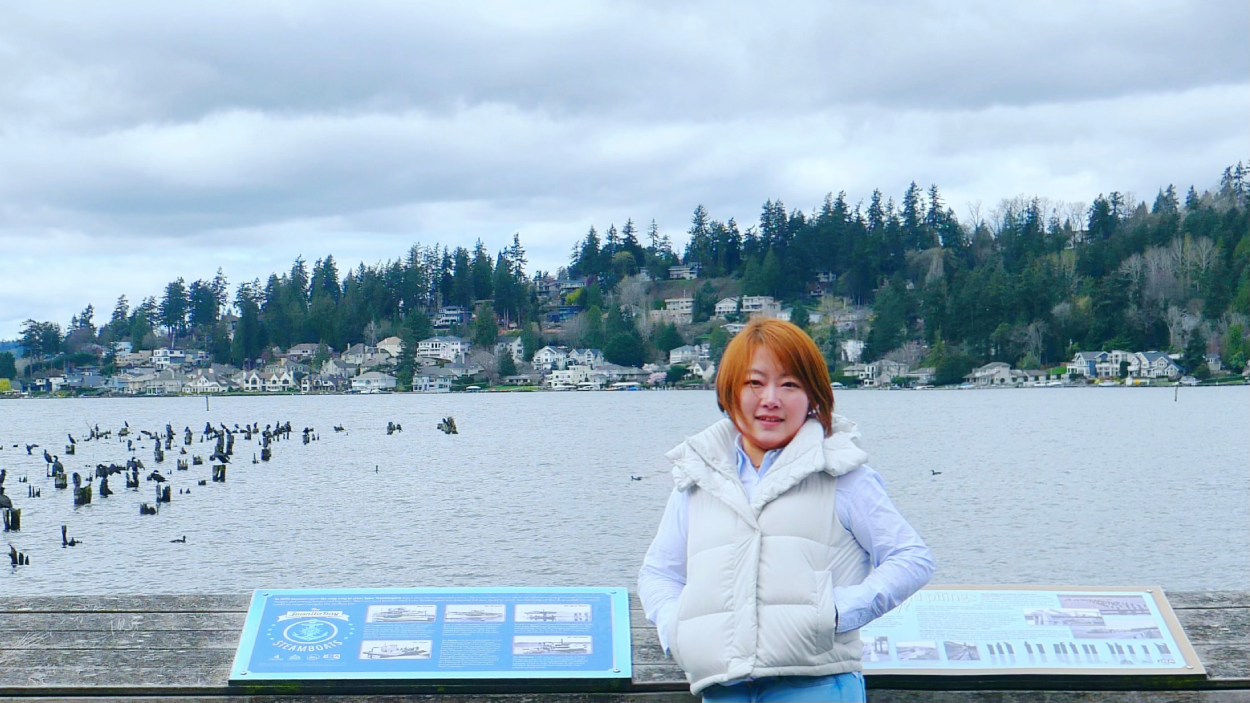
Before pursuing a master’s in environmental health sciences, Xinyuan Hao studied architecture. During an internship on designing retirement communities to protect elderly people from heat-related illness in China’s Pearl River Delta, she was struck by links between the environment and health.
Xinyuan Hao
MS Thesis, Environmental Health Sciences
Hometown
Yancheng, China
Future plans
Pursuing a PhD in environmental and occupational health.
"I want to help people mitigate health risk and be more comfortable living in a warmer world."
-Xinyuan Hao
“It was the first time I learned that humid, hot environments could directly shape people’s health,” she said. While earning her master’s in architecture at Nanjing University, she identified communities and city blocks most vulnerable to the risk of heat exposure using spatial, meteorological and demographic data.
Now, as a master’s student in the UW Department of Environmental & Occupational Health Sciences (DEOHS), Hao has built on that foundation to investigate factors that drive the risk of heat-related illness in Washington state workers.
Hao was selected as this year’s DEOHS Outstanding Master’s Student, as well as a Russell L. Castner Award recipient, for her innovative, policy-relevant research and dedication to health equity.
“What distinguishes Xinyuan most is her ability to connect high-quality methodological rigor with real-world impact,” said DEOHS Professor and Chair June Spector, Hao’s faculty adviser.
Heat’s impact on Washington’s outdoor workers
For her thesis, Hao examined how temperature patterns related to 17 years of heat-related illness claims from Washington State Fund workers’ compensation data.
She found that heat-related illness increased approximately five-fold when the daily maximum temperature was over 90° F compared to cooler days. But she also showed that factors beyond the daily high temperature are important in predicting heat-related illness, including how quickly the temperature surges and the same-day minimum temperature.
“If temperatures are high at night, that might mean less recovery from work, and this could contribute to the next day’s heat-related illness,” Hao said.
“These results are relevant to ongoing discussions about rules to protect workers from heat exposure,” Spector said.
Heat and smoke in the Yakima Valley and Seattle
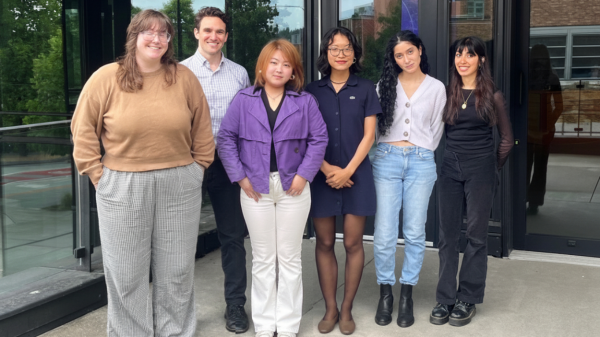
Hao has also explored how agricultural communities are exposed to heat and air pollution during summers in the Yakima Valley, one of Washington's most agriculturally intensive regions, in a project led by DEOHS Assistant Professor Magali Blanco. Agriculture is one of the industries associated with the highest risk for heat-related illness in Washington state, along with manufacturing and construction.
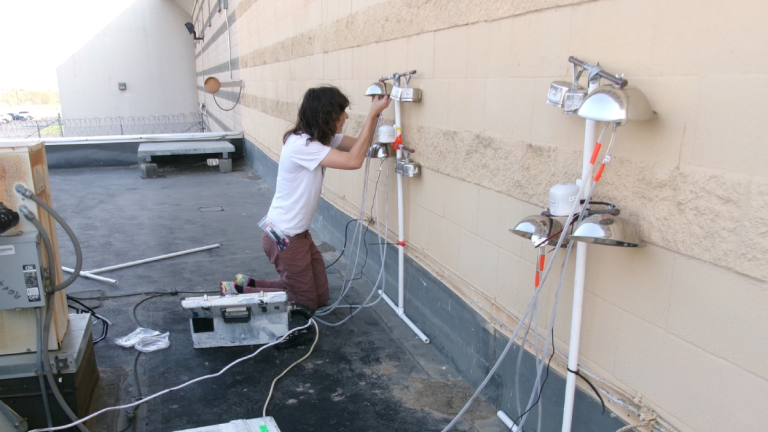
The team is using a car outfitted with multiple monitoring instruments to measure temperature and air pollution at 23 sites in the valley, allowing them to more accurately detect the exposure faced by individuals, and how it compares to other sources of climatological data.
Hao recently received a Castner Award to fund similar monitoring research in the south Seattle area this summer. Because people’s access to air conditioning or other cooling measures at home can have a major impact on their ability to recover from heat exposure during the day, she also hopes to assess temperatures at night.
“Climate change is a long-term topic we should be focused on,” she said. “More frequent heat waves and abrupt temperature increases will contribute to people’s health outcomes.”
Serving the local community
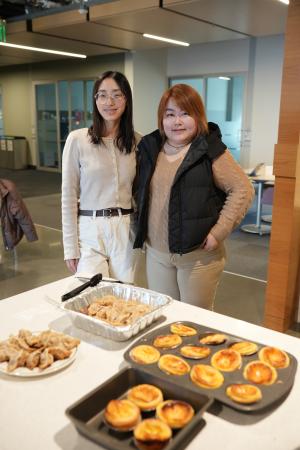
Last year, Hao was selected as one of five students across the UW to join the UW Population Health Initiative Applied Research Fellowship program, where she determined how accessible local parks are to residents of unincorporated areas of King County. She and her team are now submitting a paper based on their findings.
“It was an opportunity to connect academic research with local government in a way that has real public health impact,” she said at the time. “I was deeply moved by how our project centered on equity and accessibility, bringing attention to underserved communities and striving to make population health more just and sustainable.”
She also served as a community engagement coordinator for the Duwamish Valley Sustainability Association Biogas Community Project in South Park, an effort to turn food waste into renewable energy.
Support from DEOHS
This fall, Hao will continue her work on the health impacts of heat in a PhD program in environmental and occupational health at University of California Irvine.
But she will always cherish her experience at DEOHS — from the strong support and guidance of her mentors to her many trips exploring the Pacific Northwest with her student cohort.
She especially appreciates the department’s inclusive approach to welcoming students from diverse backgrounds.
“There are not just people from a traditional public health background, but also students with backgrounds in neurology or architecture, like me,” she said. “I think that really contributes to our department’s research and collaborations.”