When it comes to workplace hazards, Dr. Robert Harrison is like Sherlock Holmes and Dr. Watson put together. As clinical professor at the University of California, San Francisco and a public health medical officer with the California Department of Public Health, he has helped uncover connections between many occupational exposures and cases of serious injury, illness or death.
On October 22, Harrison will deliver the 2026 Peter A. Breysse Memorial Lecture: “From surveillance to prevention: Interdisciplinary strategies for occupational health and safety.” We recently caught up with him to hear about the secret of his success, his inspiration for working in occupational health, and a sneak peek of his talk.
During your career, you have helped identify many exposures causing harm to workers, from recent cases of silicosis in quartz countertop workers, to past worker deaths linked to toxic chemicals used in brake cleaners, bathtub refinishing, fracking, and the flavoring industry. How have you put these cases together?
All of these stories came about because I was listening to workers and paying attention. Having curiosity and doggedness resulted in incredible impact. It took not only my paying attention and my doggedness, but it took finding the right levels of public policy change. It took collective organizing by workers, and work by journalists.
Now N-hexane is no longer in brake cleaners. Diacetyl is pretty much completely removed from butter flavor. Methylene chloride, which was used in bathtub refinishing, is banned. Fracking workers are no longer gauging tanks by hand; they're using automatic gauges.
In my talk, I stress how when doctors see something, they should say something. Pay attention, take a history, and then tell a public health authority or the Occupational Safety and Health Administration (OSHA) or the company, so that there can be a root cause analysis, and then something is done so other workers don't get sick.
How did you figure out that quartz countertop workers in the U.S. were getting silicosis?
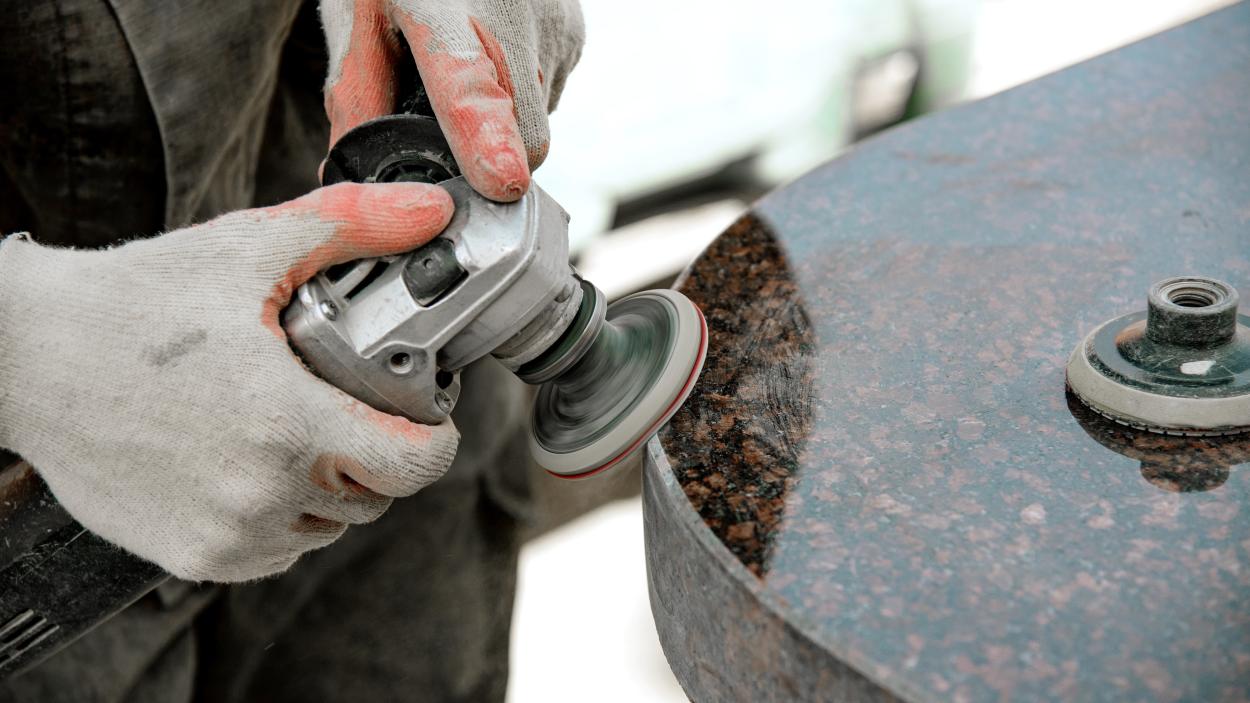
I was alarmed by a 2012 article that I read in the journal Chest from colleagues at the medical center in Tel Aviv. They wrote about 25 countertop workers with silicosis who needed lung transplantation, including a father and a son. They connected all of those cases with cutting, grinding and polishing quartz countertops.
I was really alarmed because after I read that article, I went immediately to Home Depot, and all I was seeing was quartz countertops. I thought, if this was happening in Israel, the shoe was going to drop in the United States.
It took another seven years until we found the first cases in California. In fact, there were cases diagnosed as early as 2014 that we never knew about, because the doctors were making the diagnosis, but never reporting it.
Why do you think things like this sometimes go unreported?
The simple answer is most medical students get about an hour of training in occupational medicine. But why is that?
What I've learned over my career is that workers are like silent hands that make the things we buy. Whether it is a countertop or it’s an iPhone —for example, there was a large outbreak of severe nervous system disease from the cleaner in China, called n-hexane, that was used to wipe off iPhone screens.
The underlying structural problem is that we often don't see the people who make things, and the medical students and the doctors often don't see them either.
How did you first get interested in the field of occupational medicine?
I heard a lecture as a first-year medical student from a labor organizer and health and safety activist named Tony Mazzochi. He was working in safety and health with oil, chemical and atomic workers who were exposed to toxic chemicals and radiation. He told us how important healthcare professionals, industrial hygienists and epidemiologists were to help his members.
After my first year of medical school, I worked for a summer at a union hall in New Jersey for workers in a chemical factory. The workers were exposed to a chemical called trichloroethylene and several had liver problems.
So I researched the chemicals, interviewed the workers, and helped give them information. The workers eventually requested that NIOSH come in, do a study and help put an end to the exposure. I was incredibly inspired by talking to the union members and hearing firsthand their stories, and then also by being able to make a difference.
I’ve never forgotten Tony’s lesson: to listen to the people on the front lines, and then to do something for them and help them.