
New UW research center on children’s environmental health in farming communities launches
With funding from the EPA and in partnership with communities, DEOHS researchers will assess children’s cumulative exposures to agricultural stressors and evaluate solutions

As King Tides loom, newly released stories of 2022 flooding in Seattle highlight need for climate response
A new web-based “story map” combines the voices of people impacted by the 2022 flood with data about how the community is preparing for climate change from door-to-door surveys of residents.

New UW Center for Disaster Resilient Communities launches with support from UW Population Health Initiative
New center will help communities prepare for and respond to disasters, with expertise from 100+ UW researchers in disaster science, public health, engineering, medicine, data science, nursing, public policy and environmental science
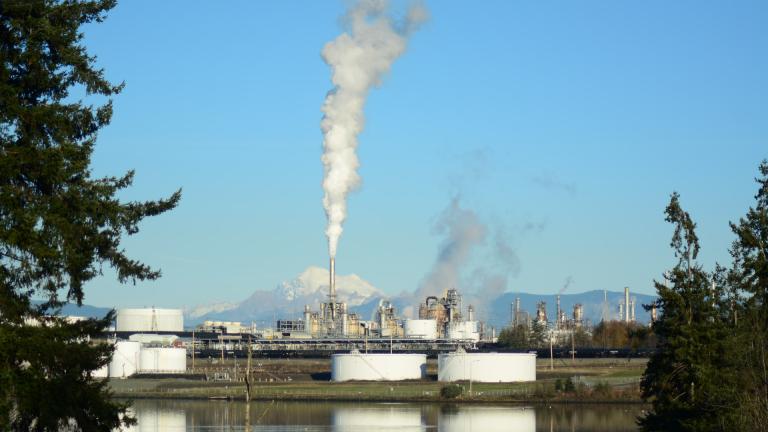
New UW Center for Environmental Health Equity to launch with a $12 million grant from the US EPA
The new center will empower Northwest and Alaska Native tribes and community-based organizations to access federal grants addressing environmental justice issues
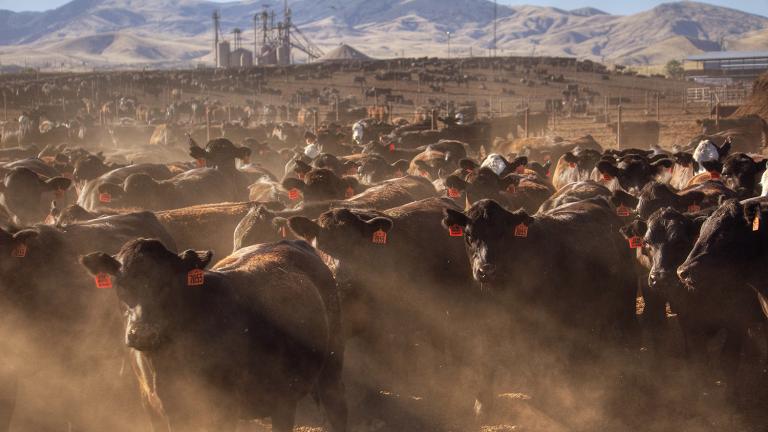
Restricting antibiotics for livestock could limit spread of antibiotic-resistant infections in people
A 2018 California bill banning routine antibiotic use in livestock is linked with reduction in some antibiotic-resistant infections, new study shows

Heat-related mortality risk is widespread across Washington state, study shows
Heat-related deaths are an issue across Washington state, and they occur even in regions that typically have milder climates, according to a University of Washington study published Aug. 30 in the journal Atmosphere.

Frequently eating domoic acid–contaminated shellfish can impact your brain
Regular consumption of shellfish contaminated by a common marine toxin can cause molecular changes in the brain, even at levels below regulatory limits

UW study strengthens evidence of link between air pollution and child brain development
Air pollution is not just a problem for lungs. Increasingly, research suggests air pollution can influence childhood behavioral problems and even IQ.

Studies show extent of strain to Washington’s food access and food production systems due to COVID-19
Two studies commissioned by the Washington State Department of Agriculture (WSDA) released this week explore how the COVID-19 pandemic affected access to food in Washington, in the areas of both food production and food assistance,