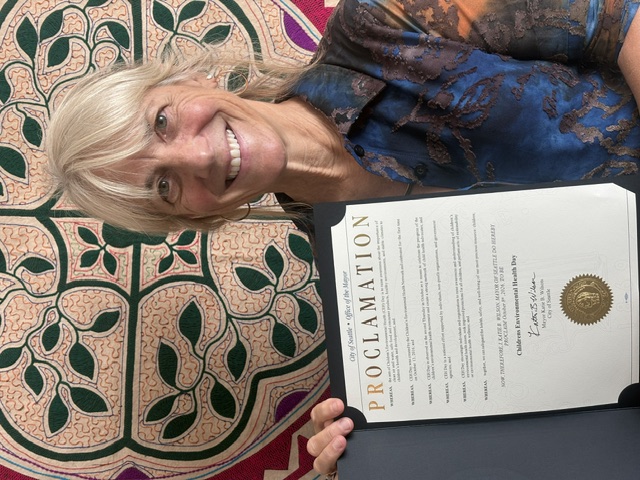
Seattle Mayor Katie Wilson recently proclaimed October 8 Children’s Environmental Health Day, recognizing the outsized impact that environmental hazards have on children’s health.
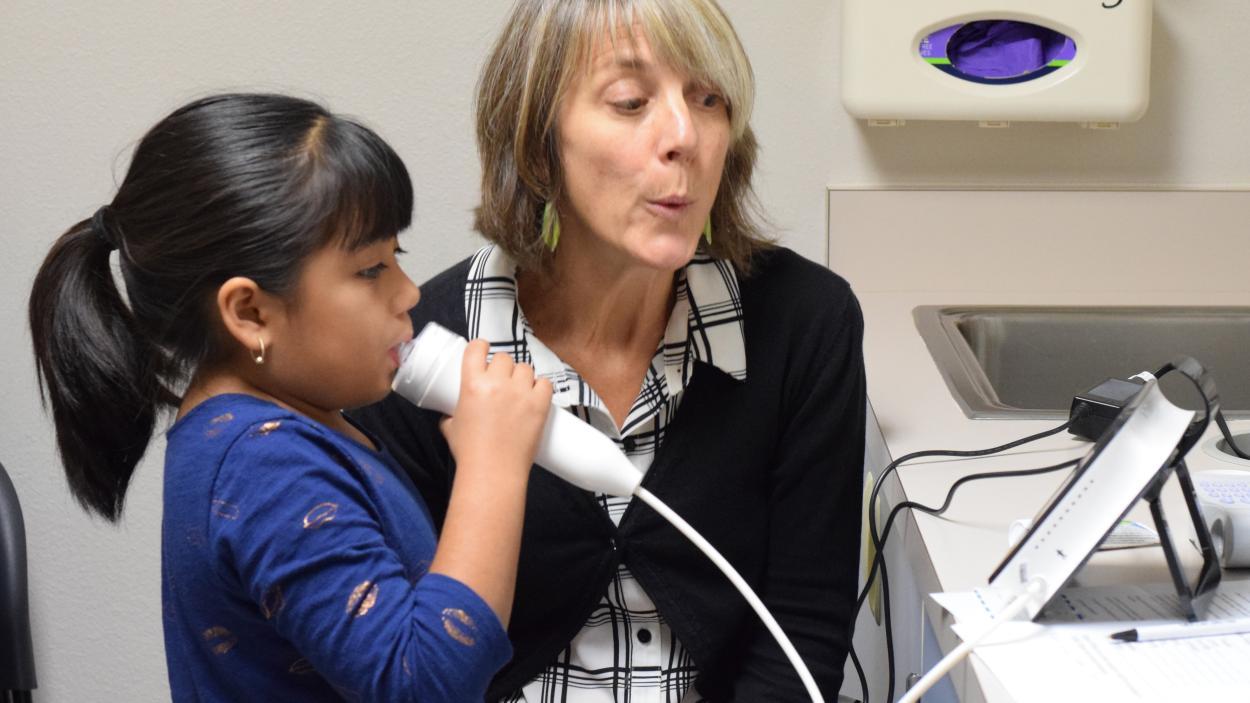
“Every day is children’s environmental health day because as children grow and develop, everyday healthy air, water, food, products and communities can mean the difference between health or disease,” said Dr. Catherine Karr, pediatrician, codirector of Northwest PEHSU, and professor in the UW Department of Environmental & Occupational Health Sciences (DEOHS) and the UW Department of Pediatrics.
Minimizing exposure to harmful toxicants such as wildfire smoke, lead and plastics can help kids thrive. Here are some tips for reducing exposure from MaryKate Cardon, codirector of the Northwest Pediatric Environmental Health Specialty Units (NW PEHSU), housed in DEOHS.
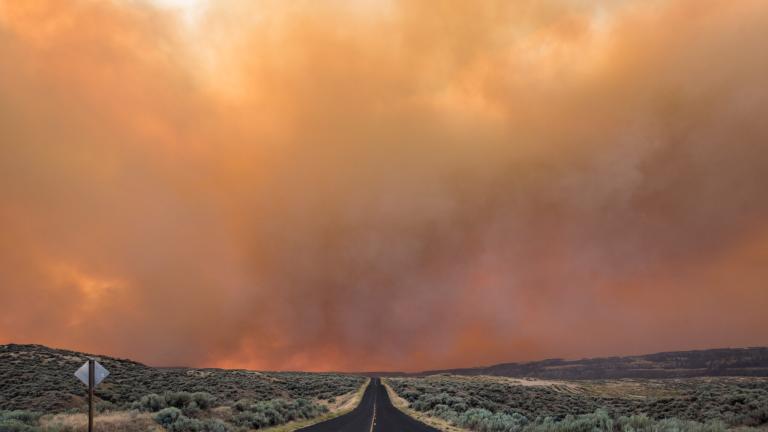
- Clear the air. Health effects from wildfires and air pollution are a growing concern in the Pacific Northwest. Kids are at higher risk of health effects, especially those with underlying lung disease like asthma. Check www.AirNow.gov for air quality alerts and guidance. Limit outdoor activity when the air quality is poor, create a clean indoor air space, and consider wearing an N95 mask outdoors when appropriate.
- Get the lead out. Infants and children 6 years of age and under are at highest risk for lead exposure. Keep kids away from lead sources, such as lead-based paint, as much as possible. Reduce exposure to lead by keeping homes clean & dust free, washing hands especially before eating, and eating a diet rich in iron, calcium, and vitamin C. Talk to your child’s pediatrician about if your child should get a blood lead test.
- Reduce plastics. Cumulative exposure to plastics and microplastics is a growing health concern. Reduce exposure to potentially harmful chemicals in plastics by choosing glass or metal when possible and using plastics labeled with recycling codes 1, 2, 4 or 5. Avoid heating or storing food in plastic and never burn plastics.
Ongoing research to protect children
Karr and other researchers in the UW School of Public Health are working to identify and mitigate environmental health threats to children, including air pollution, wildfire smoke, lead exposure and risks from animals.
Children’s health is also influenced by the health of their parents and caregivers, said Dr. Tristan Nicholson, reproductive urologist and assistant professor in DEOHS and the UW Department of Urology. Nicholson studies how environmental and occupational exposures affect male fertility and sperm quality.
“Men’s health is critical to the health of children,” she said. “Paternal exposures can impact male fertility, pregnancy complications and birth outcomes.”
Learn more about children’s environmental health and find resources at the Northwest PEHSU page.