Throughout his 36-year career in environmental and occupational health sciences, Marty Cohen has helped hundreds of businesses improve workplace health and safety and thousands of workers make it home safely each day.
Marty Cohen
Teaching Professor and Assistant Chair, UW Department of Environmental & Occupational Health Sciences
Director, Field Research and Consultation Group
Proudest achievements:
Teaching and mentoring students in workplace health and safety, developing new technologies for teaching and industrial hygiene
Joined DEOHS faculty:
2012
"My career has been made better by the people I've worked with and those who have provided meaningful mentorship to me. I've tried to pass it forward."
-Marty Cohen
"Time and time again, as workers and employers have needed him most, Marty showed up," said Marissa Baker, associate professor in the UW Department of Environmental & Occupational Health Sciences (DEOHS). She recalled how, during the COVID-19 pandemic, Cohen spent countless hours answering questions for workers and employers, interpreting guidance, solving problems and helping workplaces stay open safely.
"Marty has an amazing breadth and depth of knowledge fueled by his genuine curiosity and care for workers," Baker said. "You can be discussing a chemical exposure, a manufacturing process or some obscure workplace hazard, and Marty inevitably knows something about it. And if he doesn't know the answer immediately, he'll somehow know exactly who to call. He has a remarkable ability to connect the dots between science, workplaces and people."
This summer, Cohen retired from his roles as teaching professor and assistant chair for stakeholder engagement in DEOHS, and director of the department’s Field Research and Consultation Group. The group provides free workplace health and safety consultations for businesses in Washington state.
A fascination with how people work
Growing up, Cohen was a kid who loved nature and coming up with his own science projects. While studying chemistry and environmental science in college, he found himself drawn to industrial sites.
“I really enjoy learning how people make and build things,” he said. “I’m fascinated by how people work.”
So he shifted his major to environmental health. “The nature side of me ended up being more in tune with helping workers,” he added with a smile.
After graduate school in public health at Harvard University, Cohen spent time as an environmental health and safety consultant. One of his early experiences involved working with a company that processed scrap metals.
“They were exposing their workers to very high levels of lead, and the owners had criminal charges against them in addition to violations from OSHA,” he recalled. “We were trying to help the workers. I think that really gelled my interest in workplace health and safety.”
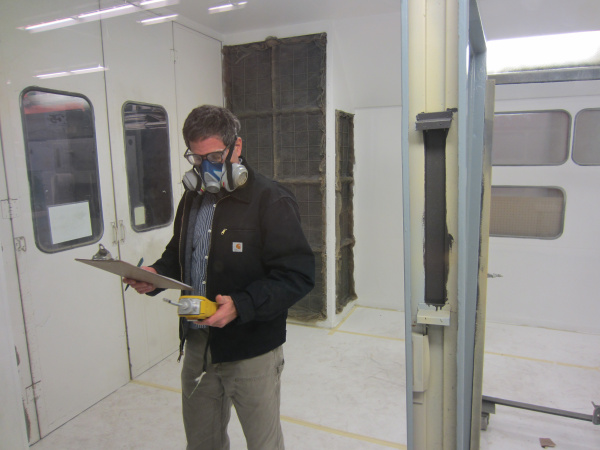
Next, he spent a decade working for the Safety & Health Assessment & Research for Prevention (SHARP) Program in the Washington State Department of Labor & Industries (L&I).
Working for the state, he successfully received funding for a program to examine the root cause of workplace fatalities and come up with ways to prevent them. It was the first time the program, funded by the National Institute for Occupational Safety and Health, had been brought to Washington state.
Training the future of the field
Despite the satisfaction he finds in solving workplace challenges, the highlight of Cohen’s time at the UW has been working with students as an instructor and mentor.
“They’re the future of the field, and I really enjoy getting them interested in worker health and safety and connecting them with resources,” he said.
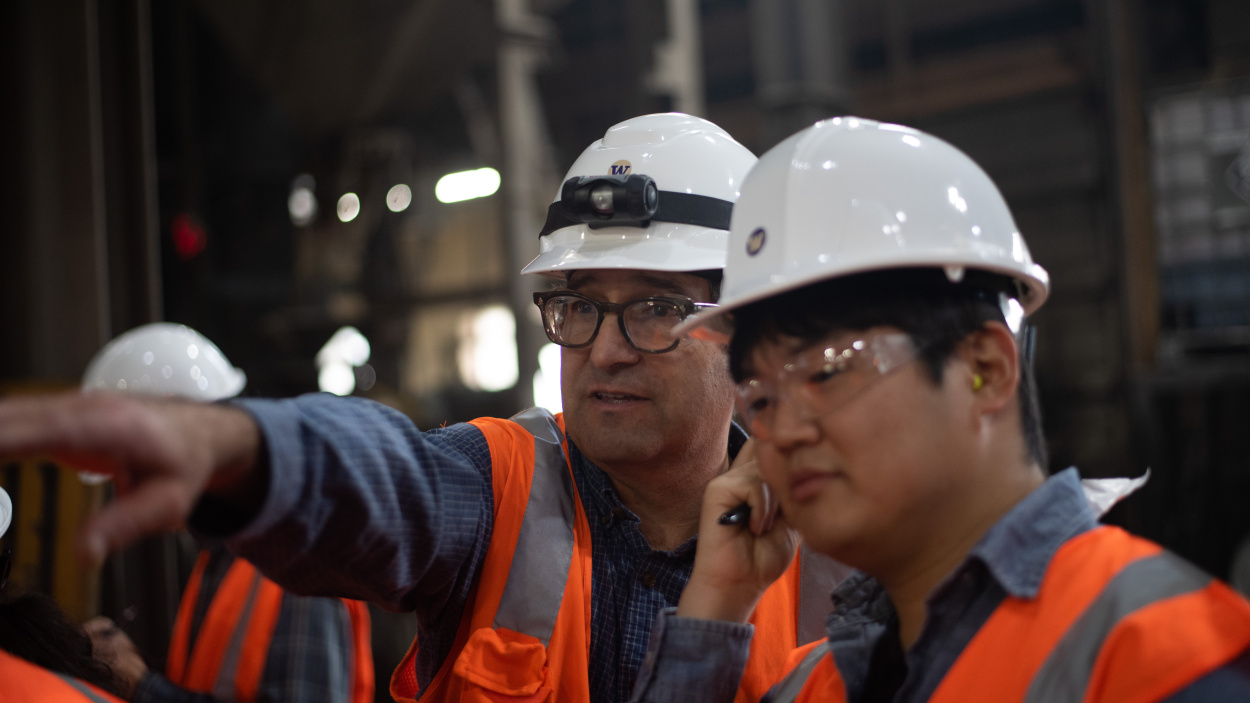
For years, he taught the department’s popular class Recognition of Health and Safety Problems in Industry, which includes field trips to foundries, construction sites and other businesses in the Puget Sound region.
“It’s practice-based, experiential learning so students can see these sites in action,” Cohen said. “I teach from the heart, because that’s what I know: this is what to look for and how to interpret it.”
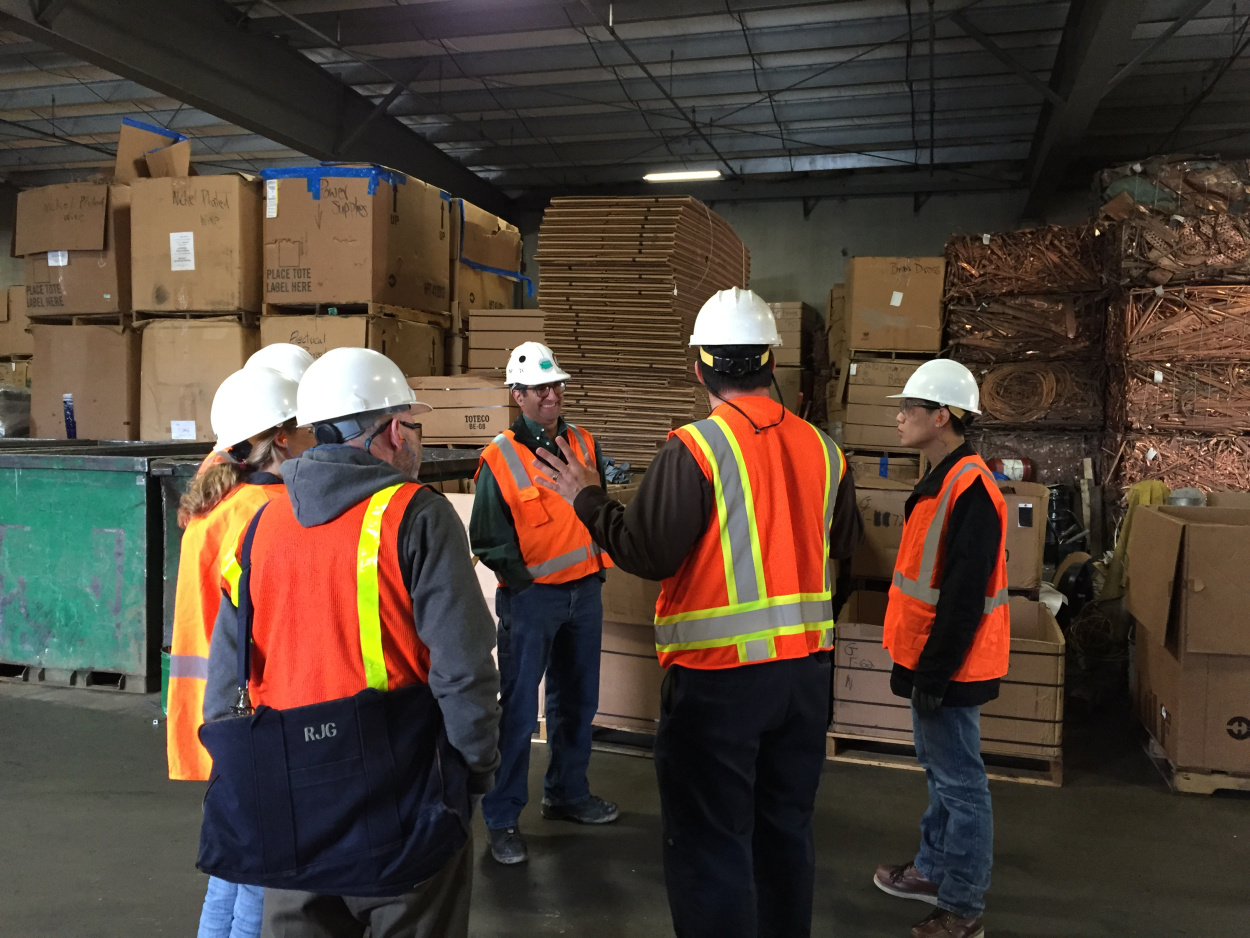
During the pandemic, Cohen developed a 360-degree video tour system to enhance his students’ experiences because they could not tour facilities in person. He also used his problem-solving skills to help L&I’s SHARP Program test alternative personal protective equipment (PPE) while it was in short supply.
"Whether it's occupational health and safety, woodworking, VR technology, cooking, fixing things, building things or figuring out things the rest of us didn't even know were broken, Marty has approached all with curiosity, expertise and an uncanny ability to figure things out," Baker said.
Serving Washington businesses
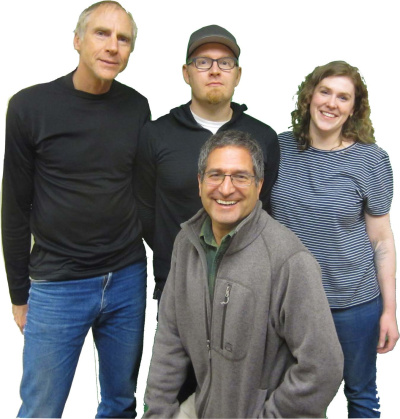
As director of the department’s Field Research and Consultation Group since 2012, Cohen managed a “wonderful staff” of research industrial hygienists who help provide free workplace safety and health evaluations for about 60 businesses in the state annually. The program is funded by DEOHS’s state appropriation.
Over the years, he and his staff have visited sawmills, ice cream shops, and hundreds of other workplaces, helping to find and solve problems along the way.
“It’s great to be in a position where people reach out to us, and to provide a service to companies throughout the state,” he said. “It’s really satisfying, especially when companies do what we recommend they do.”
Cohen also involved students in the Field Group’s work. “Getting students out doing the work, and imparting a vision of healthy workplaces to them, that’s the bigger picture,” he said.
“Throughout his career, Marty has built lasting connections among students, colleagues, workers and employers, bringing people together in ways that advance learning and our shared commitment to safer and healthier workplaces,” said DEOHS Professor and Chair June Spector.
While Cohen will continue to serve as teaching professor emeritus in DEOHS during his retirement, he is also looking forward to spending time making furniture, as well as hiking, cross-country skiing and traveling.
For Baker, Cohen's legacy is measured not just in safer workplaces and healthier workers, but also "in something much harder to measure: the respect, admiration, affection, and gratitude of the countless people whose lives he's touched along the way."