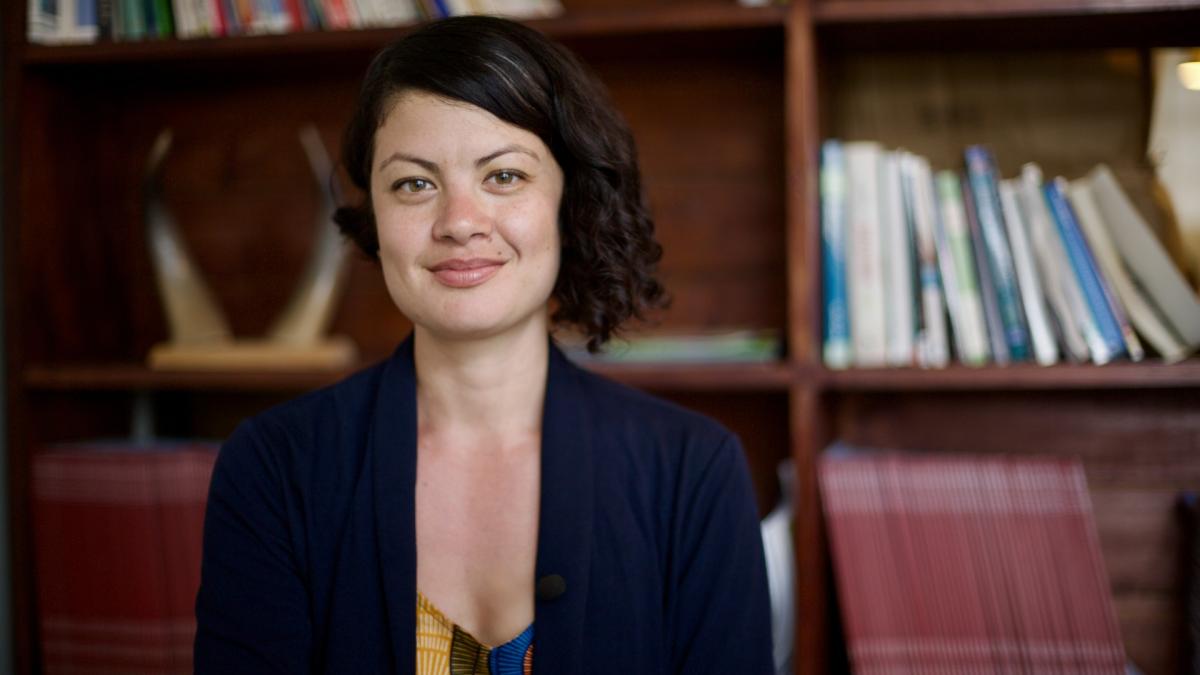
Rachel Sklar is trying to illuminate the invisible. She’s not a magician or a mystic, but a public health researcher who studies exposures faced by those who are often overlooked.
They include sanitation workers, incarcerated people and staff in jails and prisons, and pregnant people living in substandard housing.
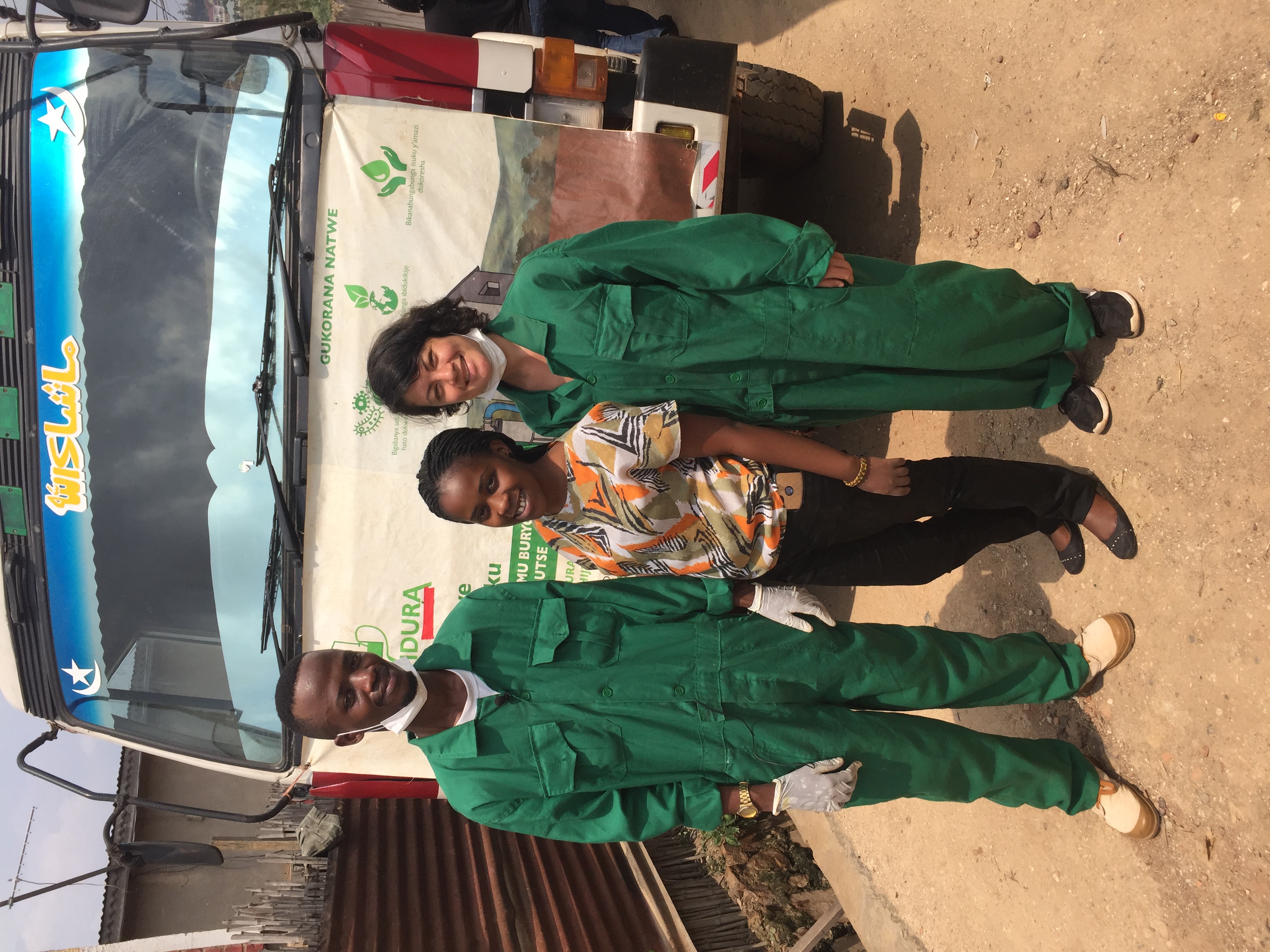
Sklar, a new assistant professor in the UW Department of Environmental & Occupational Health Sciences (DEOHS), focused her PhD studies on hazards faced by East African sanitation workers who empty full toilets in cities that lack sewers.
“They work in the middle of the night. They empty the toilets by getting doped up and then taking off their clothes and jumping into pit latrines,” she said. Her dissertation showed how sanitation systems designed to protect public health can instead concentrate risk into a small and invisible workforce, revealing a steep cost to the public health gains of latrines.
“We design these systems to protect people,” she said. “Latrines are great for that, but if these workers have to empty the waste and expose themselves, and dump the waste in the environment, then something's wrong.”
Real-world solutions
Sklar wasn’t satisfied by just documenting the problem; she also wanted to help solve it. So she started a social enterprise in Kigali called Pit Vidura. It brings small trucks into neighborhoods to pump out waste from latrines.
The small business, which has been funded by the Gates Foundation, Unilever, Grand Challenges Canada, the UK Department for International Development and others, is now led by Sklar’s former partners in Rwanda, but she continues to collaborate with them on research. In Kenya, Rwanda, Uganda and Zambia, the team is funded by the Gates Foundation to test four new technologies designed to make sanitation work safer.
“Social enterprise is a vehicle for public health change,” Sklar said. “It’s economic activity that's happening because it's needed, but we're also using it as a vehicle to do research. All of our insights are gathered from a real-world setting.”
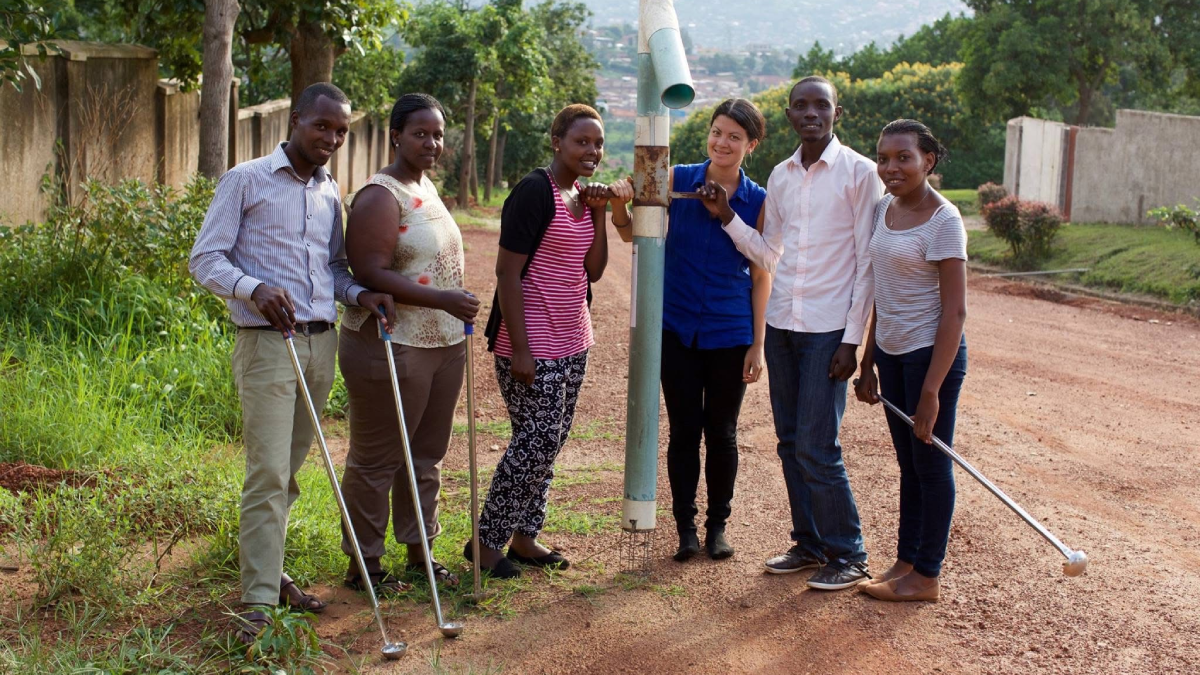
Their work to assess the new technologies’ efficiency versus health risks is also “bringing an occupational exposure element to the design table,” Sklar said — allowing creators of new technology to build in worker-health safeguards from the get-go.
Air quality behind bars
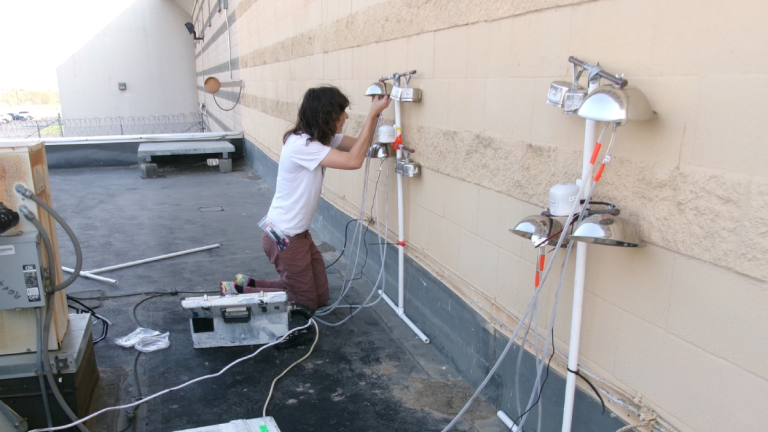
Another “invisible” problem Sklar works on — the health and safety of incarcerated people and workers in jails and prisons — came into relief during the pandemic. Amid outbreaks of COVID-19 and dozens of deaths from the virus in state prisons, the California Department of Corrections asked Sklar’s mentor, Dr. Brie Williams of the University of California San Francisco, to support outbreak investigations. Williams then brought Sklar and her environmental health colleague Betsey Noth (now at Cal/OSHA) to assess environmental conditions within prison housing.
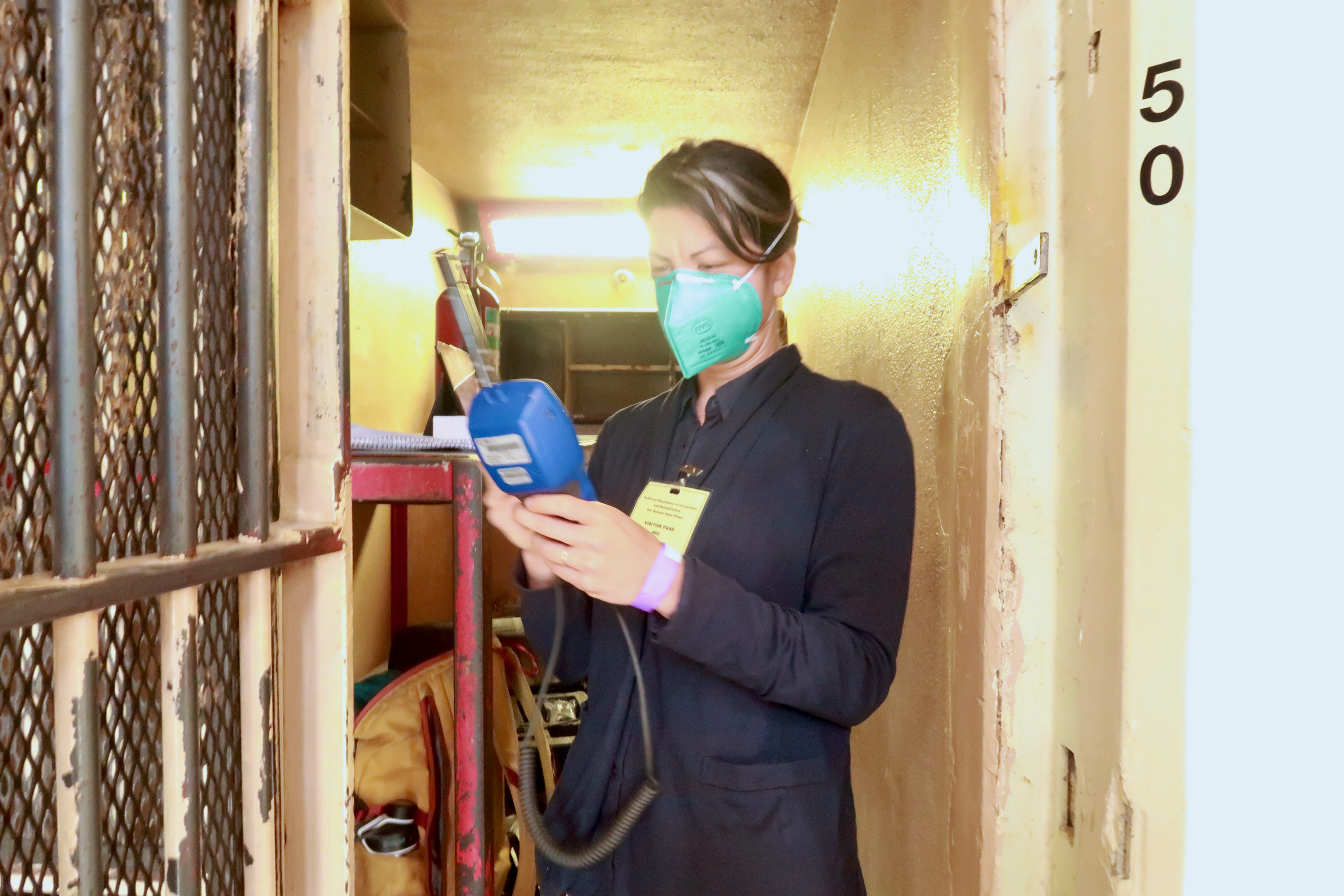
They found that incarcerated people with COVID-19 were being quarantined, but because of faulty HVAC systems and imbalanced airflows, “air was moving the virus from between cells and public spaces, like day rooms,” Sklar said. “These celled housing units were essentially functioning as dorms with shared air.”
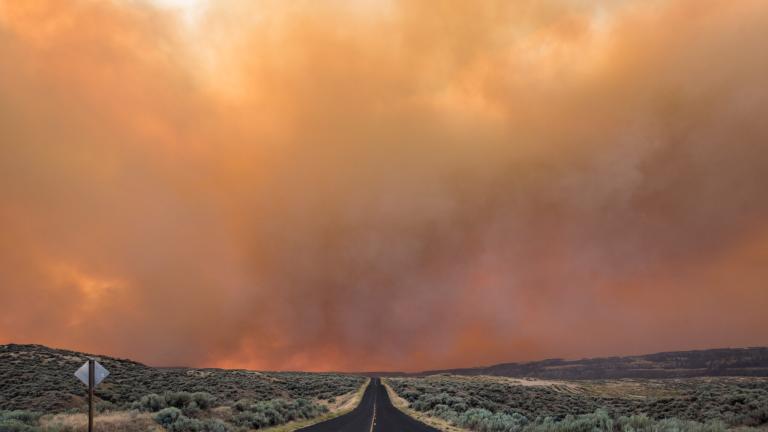
Now Sklar is building on this work by assessing exposures to heat and wildfire smoke in California’s prison system as part of the state’s Fifth Climate Assessment, in collaboration with DEOHS PhD student Cecilia Martindale and with contributions from Assistant Professor Marissa Childs.
Climate and correctional facilities
Currently, jails and prisons in California are excluded from governmental plans for mitigating hazards such as wildfires and heat waves, despite the fact that they are particularly vulnerable to heat and smoke.
“In California, they're located in remote parts of the Central Valley, the high desert, or Sierra foothills. They are flood-prone, fire-prone and heat-prone areas,” Sklar said. “Because of security issues, incarcerated people rarely get evacuated, and that means that correctional officers also have to show up to work.”
She recently co-organized a first-of-its-kind conference called Confronting Climate Change in Correctional Facilities with the University of California Berkeley Criminal Law & Justice Center. It brought together litigators, formerly incarcerated people, and those working in prisons to discuss climate in carceral settings.
She is also advancing similar work in Washington state in collaboration with the UW Center for Disaster Resilient Communities, the UW Center for Health and the Global Environment, and UW School of Public Health’s Incarceration and Health in Washington Community of Practice.
Trading songs and science
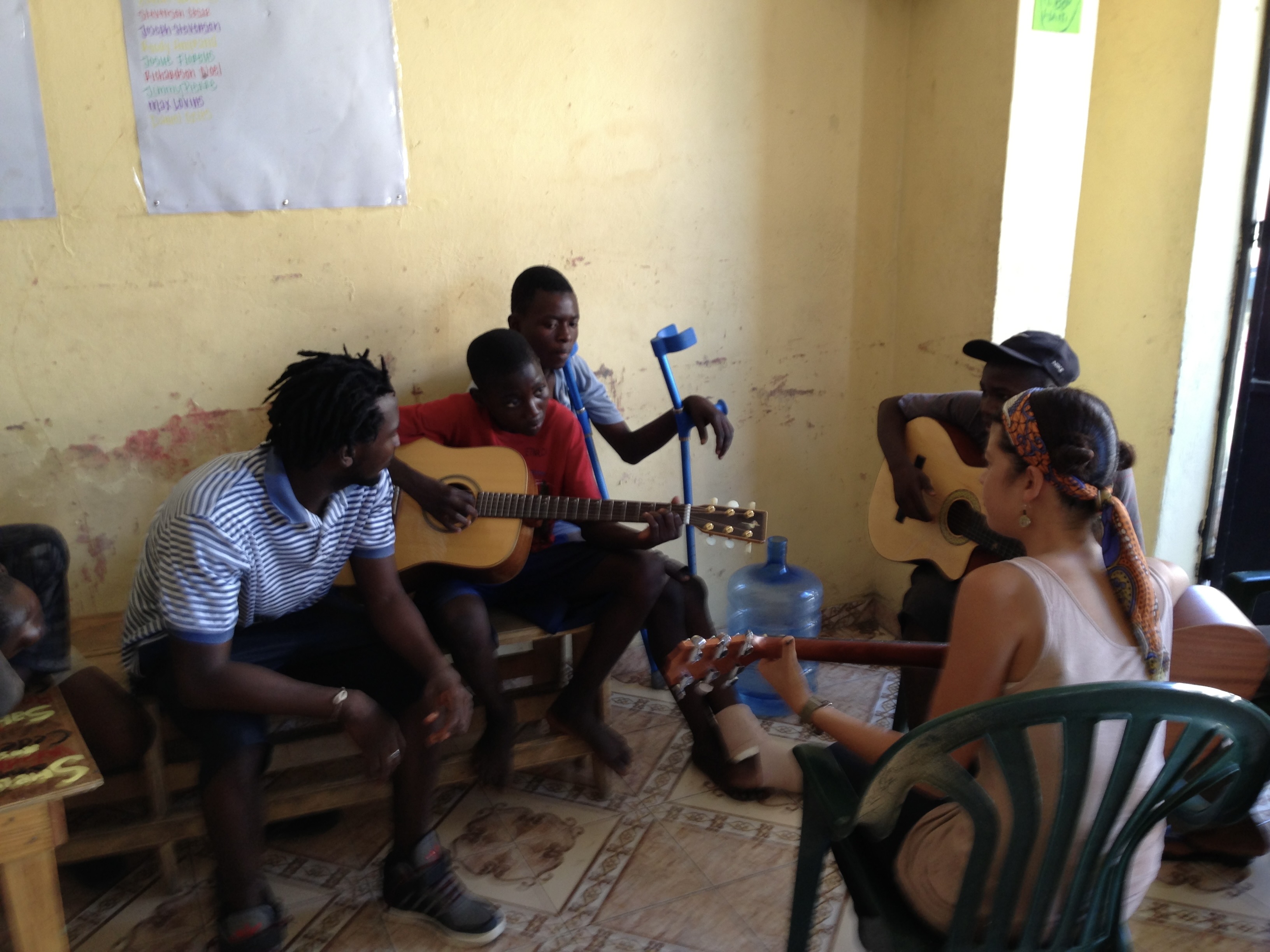
Sklar jokingly calls herself an “accidental academic”: her career has taken many twists and turns, from conducting fieldwork by motorcycle in Nicaragua to researching wastewater reuse in Haiti and staying an extra year to make an album with fellow musicians there.
“Playing with musicians in different parts of the world, trading songs and styles, has been a way to build connection across the communities I work with,” she said.
But she is enjoying settling down as a faculty member in DEOHS, particularly because of its unique focus on occupational health.
“There are a lot of invisible worker populations,” she said. “In order to bring visibility to their work, occupational health methods can be leveraged, and this department does a really good job of that. The giants in the field are here.”
She’s also embarking on some Northwest-focused projects, including collaborating with DEOHS Associate Professor Elena Austin and the Pacific Northwest Agricultural Safety and Health (PNASH) Center on how workplace injury and illness data is used by employers in fishing, forestry and agriculture.
In her free time, she plays folk and bluegrass banjo and guitar, and spends time outside with her husband and two toddlers.
“The old songs we play in folk and bluegrass music carry stories across generations,” she said. “Keeping those stories alive builds community and resilience, and that’s what public health is about.”